


The International Education Quality Commission (IEQC) offers a specialised accreditation system for professional certification programmes. This programme is constructed upon the established standards of the European Credit System for Vocational Education and Training (ECVET) and the United Kingdom’s framework for Vocational Education and Training (BVET). It is designed to ensure the quality, rigour, and global reliability of certification programmes, thereby safeguarding the value of professional credentials for individuals, employers, and industries worldwide.

The Essence and Importance of Accreditation
The accreditation of certification programmes is the independent evaluation of a programme’s compliance with quality standards, where the programme itself is designed to test and verify knowledge and skills in a specific profession or specialisation. This process encompasses all aspects, from the curriculum content and learning materials to the examination system and assessment methodologies. Accreditation serves as a definitive confirmation that a certification programme is objective, transparent, and meets internationally recognised benchmarks. It validates that the credential awarded is a meaningful and reliable indicator of professional competency, distinguishing it in a crowded marketplace of qualifications.
Evaluation Standards and Foundational Criteria
A comprehensive audit for the accreditation of certification programmes is conducted across the following critical domains:
- Alignment of Programme Content with Professional Standards: The primary focus is on the curriculum’s congruence with current industry demands and established occupational standards. This includes evaluating its relevance, practical significance, and its direct mapping to the competencies required for competent professional practice.
- Reliability and Validity of the Examination and Assessment System: The integrity of the testing process is of paramount importance. This involves scrutinising the quality of test materials, the objectivity and security of exam administration, the transparency of marking criteria, and the use of psychometrically sound assessment methods to ensure consistent and fair measurement of candidate ability.
- Completeness and Modernity of Learning Materials: The resources provided to candidates are carefully evaluated. This includes the comprehensiveness and accuracy of study guides, the relevance of practical exercises and case studies, and the availability of effective self-assessment tools to aid candidate preparation.
- Expertise Level of Instructors and Assessors: The qualifications and competence of the human capital are key quality indicators. This involves verifying the professional experience, subject-matter expertise, and methodological training of both the trainers (if preparation courses are offered) and, crucially, the independent examiners and assessors.
- Quality Assurance and Monitoring Mechanisms: The systems for ongoing programme integrity are examined. This includes procedures for regular review and updating of content, robust candidate feedback loops, secure handling of assessments, and formal processes for handling appeals and maintaining the certification’s currency against evolving industry practices.
Organisation and Stages of the Accreditation Process
The accreditation process for certification programmes consists of the following structured stages:
- Analysis of Programme Documentation: All foundational documents are subjected to detailed review. This includes the full syllabus, all learning materials, specimen and past examination papers, marking schemes, and candidate handbooks. The completeness, clarity, and intellectual rigour of these materials are assessed.
- Expert Peer Review: Independent subject-matter experts, often drawn from relevant industries, evaluate the programme’s alignment with current professional standards. They assess whether the certified competencies reflect real-world occupational requirements.
- Monitoring of the Examination Process: IEQC representatives may observe live examination sittings or audit recorded sessions. This direct monitoring evaluates administrative procedures, security protocols, examiner conduct, and overall adherence to principles of transparency and objectivity.
- Verification of Trainer and Assessor Competence: The credentials and professional backgrounds of the instructional and assessment personnel are analysed. This ensures they possess the necessary expertise, training in assessment principles, and freedom from conflicts of interest.
- Audit of the Quality Assurance System: The institution’s internal processes for maintaining and improving the programme are reviewed. This audit examines how the organisation plans for periodic updates, handles non-conformities, and ensures the long-term validity and reputation of the certification.
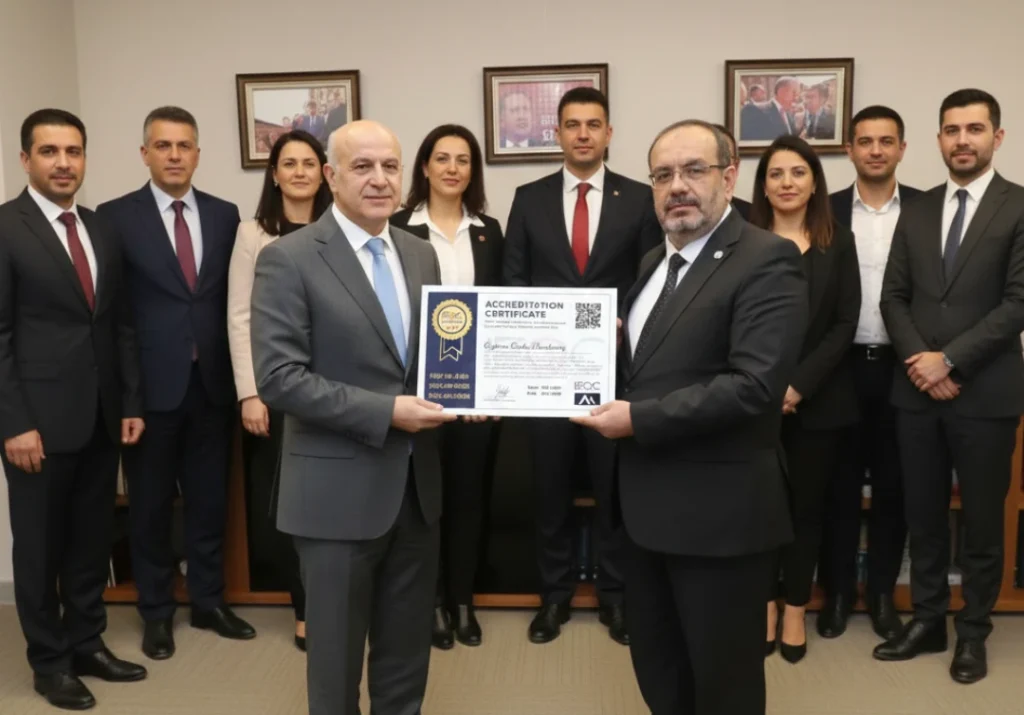
- Accreditation Decision Adoption: The consolidated evidence from all stages is presented to the IEQC Certification Programmes Board. Following thorough deliberation, this board renders the final accreditation decision, granting the certification programme a trusted seal of approval for a defined period, subject to re-accreditation.
The Impact of Accreditation on Certification Programmes
Accreditation plays a vital role in ensuring the reliability and recognition of professional certificates. Accredited certification programmes gain high credibility within their professional domains. The resulting certificates are recognised internationally and highly valued by employers, as they provide assurance of a rigorously validated skill set. The accreditation process itself provides certifying bodies with invaluable, structured feedback to refine their programme content, enhance their examination systems, and strengthen their governance and quality assurance mechanisms. Certification programmes accredited by IEQC are confirmed as reliable validators of professional knowledge and skills, establishing them as definers of quality standards within professional development and as trusted partners for career advancement globally.